
Birth Defects Awareness and Prevention Month
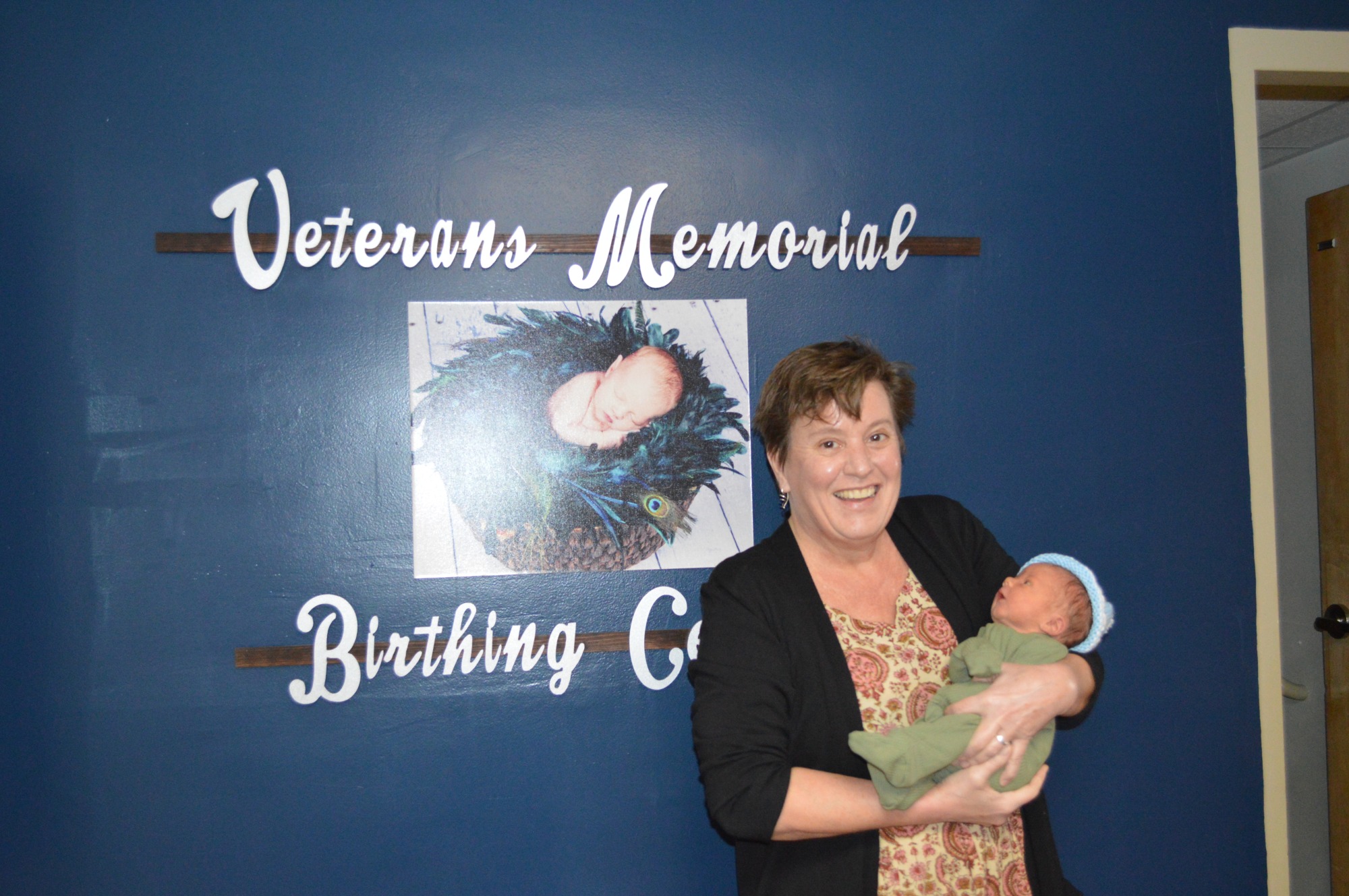
By Katy Maker, Nurse Midwife
VMH Waukon Clinic
Anticipating the birth of a newborn involves much planning and worry for most parents. This month is Birth Defect Awareness Month and represents a chance to think about problems we all hope will not arise; however birth defects are more common than people realize. They occur in roughly 3 percent of births in the USA and range from minor to very complex.
What can you do to prevent those that can be prevented and be prepared with the best team available to help when they cannot?
Be prepared:
It is a good idea to talk to your health care provider about future pregnancies to make lifestyle changes that can decrease the risk of birth defects, address medication safety, vaccinations, and family and personal medical history. Sometimes if there is a genetic condition in the family, potential parents can see a geneticist to get the best idea of potential risk before conception.
Some simple lifestyle changes can decrease the risk of birth defects such as:
Getting at least 400 mcg of folic acid daily before you conceive and during pregnancy to protect the developing nervous system and spine.
Avoiding alcohol, drugs, and smoking can decrease preterm birth, but also consequences such as fetal alcohol syndrome and small for gestational age babies (SGA) which can bear life- long challenges for children.
Being active and aiming for a healthy weight decreases risk.
Avoiding infections, especially those which are associated with the development of birth defects and being screened if you suspect an infection. Good hand washing is essential.
These interventions along with awareness of genetics addressed the main causes of birth defects:
Lack of certain nutrients, infection in pregnancy, exposure to medicines or toxic substances (like lead), chromosomal problems, and genetic mutations.
Know your resources:
At the time of a baby's birth there are many services available to help new parents—many that they are unaware of. When the child is born with a birth defect or a birth defect is anticipated, it’s important to be aware of special-education, physical therapy, occupational therapy, and speech therapy in your area. Most clinics and hospitals have social service providers dedicated to helping connect the parent with these services. Early intervention is the goal for the best outcomes.
These services can seem like a financial challenge, but there are many organizations that can help relieve this including specialty hospitals, community services, public health, and non-profits like the March of Dimes.
Birth defects can develop at any time during pregnancy, but most occur in the first 3 months of the pregnancy. This is because most of the baby’s organs are formed during that time. However, they can develop at later periods of pregnancy as well, especially if certain infections are involved.
Screening:
During the pregnancy there are options of blood tests and imaging to look for certain diagnoses. An ultrasound can evaluate fetal anatomy and some genetic conditions can be found through both blood tests and amniotic fluid assessments. Ask your healthcare provider about these tests and if they are appropriate for you.
After the pregnancy, at the time of the birth, there are blood tests to screen the newborn for genetic conditions, hearing testing to evaluate for congenital deafness, and a special screen that is done to evaluate for congenital heart disease.
Regular screening well-child exams also assess for normal development and can lead to connection with appropriate services.
Pregnancy and adding a newborn to your family is a wonderful experience. Being prepared can decrease your worry and your risk. Here at Veterans Memorial Hospital and Clinics, we have a team of providers and services available to help make sure that parents have the best care. We are here for you.
For more information, please call Katy Maker, Nurse Midwife and Nurse Practitioner, at 563-568-5530 at the Waukon Clinic or 563-864-7221 at the Postville Clinic.
